
The Thrill of Uncertainty
One of the primary reasons casinos are so addictive is the thrill that comes from uncertainty. When players engage in games of chance, they are often caught in a roller coaster of emotions, riding the highs of potential victories and the lows of losses. This unpredictable nature of gambling creates a rush, fueling excitement and making each game unique, especially when they discover online pokies australia real money options that enhance the experience. As individuals experience this rush, their brains release chemicals like dopamine, which further reinforces the behavior and the urge to play again.
The anticipation of winning can be intoxicating. Players may find themselves caught up in a cycle of gambling, where each round brings a mix of hope and excitement, prompting them to stay engaged even when they experience setbacks. This uncertainty becomes a powerful motivator, compelling players to return to the tables in search of that exhilarating sense of victory, regardless of previous outcomes. Each game becomes a new opportunity for triumph, making it hard to step away.
Moreover, casinos harness this thrill through careful design and strategies. From the vibrant lights to the sounds of winning, every aspect of a casino is engineered to heighten the excitement. The atmosphere created is one that encourages players to immerse themselves completely in the experience, making it increasingly difficult to leave. This blend of psychological and environmental factors contributes significantly to the addictive nature of casinos.
Social Interaction and Community
The social aspect of casinos plays a crucial role in their addictive nature. Many people enjoy the camaraderie that comes from playing games with others. Whether it’s sharing a table at a poker game or celebrating a win together, these interactions foster a sense of belonging and community. The ability to connect with fellow players enhances the experience and can make individuals feel more compelled to return for the social interactions alone.
Moreover, casinos often host events and tournaments that bring players together, creating a vibrant atmosphere filled with excitement and competition. These events can prove to be particularly addictive, as they provide a communal experience that transcends the individual game itself. The thrill of competition, combined with the encouragement and support from others, can make the casino feel like a second home for many.

As individuals engage socially within the casino environment, they may find themselves more willing to gamble. The shared experience of celebrating wins or commiserating losses can blur boundaries, leading to riskier betting and more frequent visits. The social connections formed can contribute significantly to an individual’s desire to return, feeding the cycle of addiction through community involvement.
The Role of Rewards and Incentives
Casinos are adept at employing a range of rewards and incentives designed to keep players engaged. From complimentary drinks to loyalty programs, these incentives make each visit feel special and rewarding. Players often perceive these rewards as a sign of value, encouraging them to spend more time gambling in hopes of receiving lavish perks and benefits.
Additionally, the structure of games is often designed to give players the illusion of winning frequently. Reinforcement schedules, where players win small amounts often but may not win the bigger payouts, keep them engaged. This system creates a sense of achievement and makes players feel as though they are on the brink of a substantial win, prompting them to continue playing in pursuit of that dream.
Furthermore, the use of sophisticated marketing strategies plays a significant role in maintaining player interest. Casinos invest heavily in understanding psychological triggers and leverage data to offer personalized experiences to gamblers. Such targeted engagement can lead players to feel more valued, increasing their desire to return and participate again. This cycle of reward and expectation is a core driver of addiction within casino environments.
Environmental Factors at Play
The design and layout of casinos are crafted to be immersive and enticing, often contributing to their addictive nature. The absence of windows and clocks creates a disorienting effect that encourages players to lose track of time. This engineered environment can lead individuals to stay longer than they originally intended, as they become engrossed in the games around them.
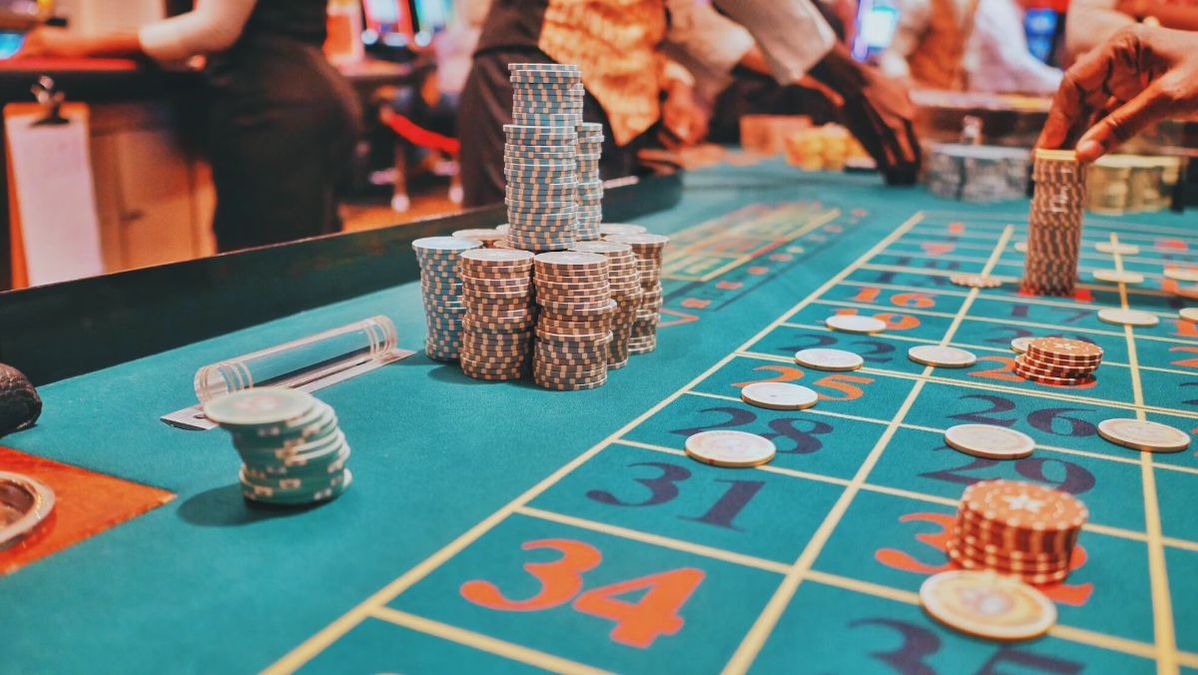
The sights and sounds within a casino are meticulously curated to provoke excitement. The jingles of slot machines, the buzz of a crowded table, and the enticing visuals are all consciously designed to stimulate players’ senses and enhance their emotional experiences. This constant bombardment of sensory inputs can create an environment that feels exhilarating, encouraging individuals to stay and play longer.
Moreover, the physical comfort offered by casinos also contributes to their appeal. Many establishments incorporate plush seating, luxurious surroundings, and easy accessibility to food and drinks, making it an inviting place to spend time. This level of comfort can contribute to extended gaming sessions, as players settle in and lose themselves in the experience, fostering a deeper sense of involvement that can become addictive.
Exploring Responsible Gambling Resources
While the allure of casinos can be powerful and engaging, it is crucial to approach gambling with caution and mindfulness. Various organizations and resources exist to help individuals navigate the complexities of gambling addiction. By providing education, support, and access to tools for responsible gambling, these resources aim to create awareness about the potential risks associated with gambling.
Many casinos themselves have adopted initiatives to promote responsible gambling. Offering self-exclusion programs, informational materials, and access to counseling services, they strive to protect vulnerable individuals while still providing an entertaining environment. Understanding the signs of problem gambling is essential for both players and their loved ones, as awareness is key in curbing the potentially addictive behaviors linked to casino environments.
Ultimately, fostering a balanced approach to gambling is crucial. Encouraging responsible habits, setting limits, and recognizing when to seek help can make a significant difference in preventing addiction. By understanding the factors that make casinos so addictive, individuals can better navigate their gambling experiences and enjoy them responsibly.